Smartphone liên lạc không cần sóng, WiFi
 Smartphone Xiaomi 15T và 15T Pro có tính năng Astral Communication với khả năng Offline Communication, có thể liên lạc trực tiếp không cần sóng di động hay WiFi
 Smartphone Xiaomi 15T và 15T Pro có tính năng Astral Communication với khả năng Offline Communication, có thể liên lạc trực tiếp không cần sóng di động hay WiFi
Benda thương hiệu xe cao cấp của Trung Quốc bất ngờ ra mắt 03 khối động cơ gây sốc thế giới tại CIMAMotor 2025 gồm: động cơ Boxer 700cc Hybrid, 4 xylanh thẳng hàng 550cc và ấn tượng nhất là động cơ 6 xylanh thẳng hàng 1700cc. BENDA Trình Làng Ba Nền Tảng Động Cơ […]
The post Benda ra mắt động cơ 1700cc 6 xylanh thẳng hàng như CBX1000 appeared first on Motosaigon.
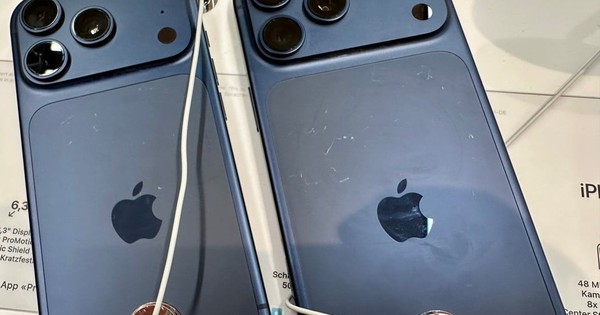 (NLĐO) - Apple cho biết ngoài iPhone 17 Pro, một số mẫu iPhone khác cũng có thể gặp hiện tượng tương tự.
My vision was based on sharing, not exploitation – and here’s why it’s still worth fighting for
I was 34 years old when I first had the idea for the world wide web. I took every opportunity to talk about it: pitching it in meetings, sketching it out on a whiteboard for anyone who was interested, even drawing the web in the snow with a ski pole for my friend on what was meant to be a peaceful day out.
I relentlessly petitioned bosses at the European Organization for Nuclear Research (Cern), where I worked at the time, who initially found the idea “a little eccentric” but eventually gave in and let me work on it. I was seized by the idea of combining two pre-existing computer technologies: the internet and hypertext, which takes an ordinary document and brings it to life by adding “links”.
From Rebecca to The Birds and scores of creepy short stories, Du Maurier was queen of the uncanny, writes the US horror maestro
‘Last night I dreamt I went to Manderley again.” It’s one of the most well-known first lines ever written in a novel. Certainly the most memorable; I used it myself as an epigram in my novel Bag of Bones. Daphne du Maurier also wrote what may be the best first line in a tale of the uncanny and outre. Her classic story The Birds opens with this: “On December the third the wind changed overnight and it was winter.” Short, chilly and to the point. It could almost be a weather report.
It works so well at the outset of the gripping tale that follows, in which every species of bird attacks humankind, because it’s flat, declarative and realistic. Du Maurier can gin up horror when she wants – see The Doll, The Blue Lenses and the shocking final two pages of Don’t Look Now – but knows that what’s wanted here to instil belief (and suspense) is a tone that’s closer to reportage than narration.