Elon Musk lừa cả thế giới: Bí mật xây đế chế 90 công ty thâu tóm BĐS, Ít nhất 37 thực thể chỉ phục vụ mục đích cá nhân
 Elon Musk tuyên bố không sở hữu căn nhà nào nhưng thực chất không phải vậy!
 Elon Musk tuyên bố không sở hữu căn nhà nào nhưng thực chất không phải vậy!
 TCL giới thiệu CrystalClip với thiết kế open-ear dạng kẹp siêu nhẹ, hỗ trợ Spatial Audio, pin 36 giờ và đặc biệt có phiên bản Swarovski đính pha lê có thể tháo rời.
 Micron xác nhận sẽ rút khỏi mảng tiêu dùng của Crucial, dồn toàn lực cho bộ nhớ trung tâm dữ liệu và HBM phục vụ AI, khiến nguồn cung RAM, SSD phổ thông có thể bị siết lại.
An epic account of how three demigod directors, in pursuit of indie freedom, redefined American film-making
Here we are once more: back to the glory days of the New Hollywood that emerged from the ashes of the old studio system in the 1960s and 70s. Our cast is filled with brilliant hotshots and creative risk-takers, energised by the French New Wave, the American counterculture and the industry’s own amazing entrepreneurial past.
Peter Biskind’s breezy, bleary, cynical book Easy Riders, Raging Bulls ranged freely across the 1970s, with controversial anecdotes about egos and drugs (though maybe the definitive book about the role of cocaine in film production has yet to be written). Mark Harris’s Scenes from a Revolution had the witty idea of looking at the five films Oscar-nominated for best picture in the transitional year of 1968, from the supercool Bonnie and Clyde to the squaresville Dr Doolittle, to see what they told us about America’s cinematic mind at the time.
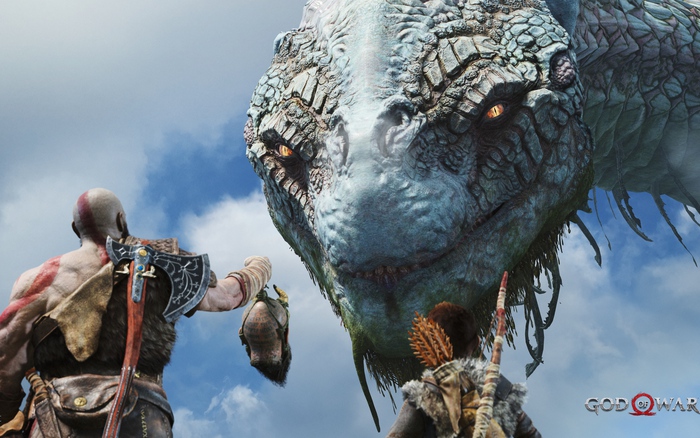 Series phim God of War sẽ được lấy cảm hứng từ loạt game God of War Bắc Âu từng làm mưa làm gió vài năm trước.
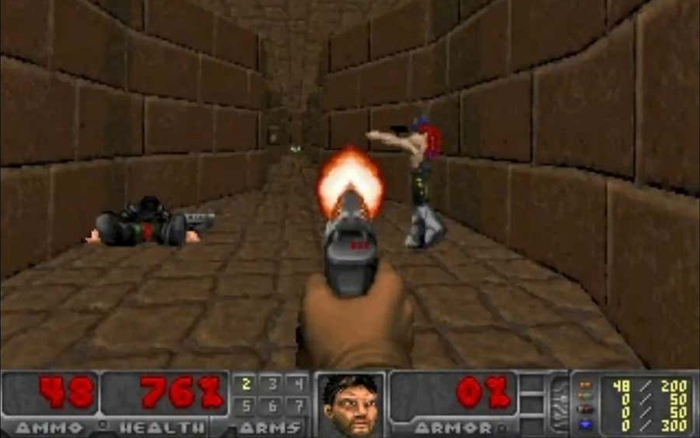 Thử nghiệm máy tính sinh học bằng cách ... chơi điện tử.