Trung Quốc xoay xở với áp lực năng lượng cho làn sóng bùng nổ trung tâm dữ liệu AI
 Sự trỗi dậy của các trung tâm điện toán thông minh đang kéo theo cơn khát năng lượng chưa từng có…
 Sự trỗi dậy của các trung tâm điện toán thông minh đang kéo theo cơn khát năng lượng chưa từng có…
 OPPO sẽ ra mắt Reno 15 Song Yuqi Limited Edition với cấu hình cao nhất, thiết kế khắc laser và số lượng giới hạn chỉ 23 máy toàn cầu, tặng kèm set phụ kiện gồm cả máy ảnh phiên bản đặc biệt dành riêng cho người sở hữu.
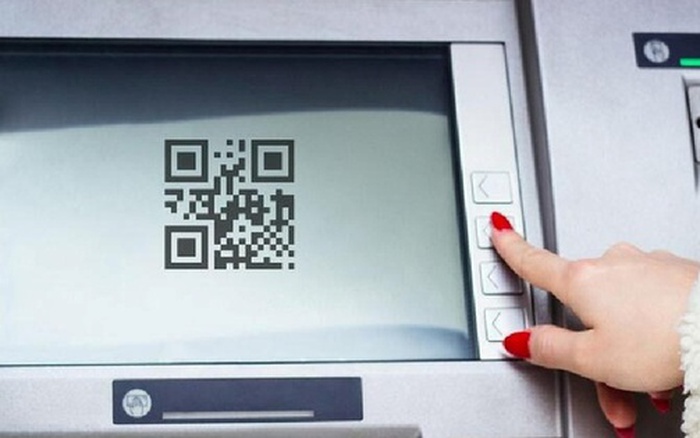 Rút tiền không cần thẻ đã trở thành một xu hướng tiện lợi và an toàn. Vậy "Có thể rút tiền bằng mã QR tại ATM của ngân hàng khác hay không?".
 Nhiều ngân hàng vừa đồng loạt thông báo tăng lãi suất các hạng thẻ tín dụng, mức cao nhất lên đến 22%/năm.
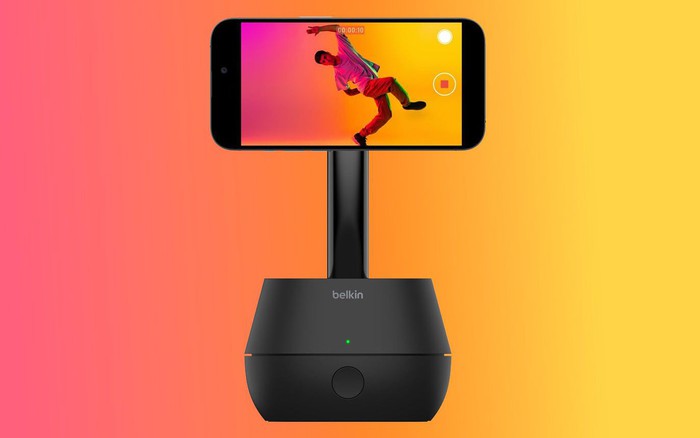 Belkin, thương hiệu phụ kiện hiếm hoi được bày bán trực tiếp trong Apple Store, vừa phải thu hồi gần 90.000 pin dự phòng và dock sạc tại Mỹ và Canada do nguy cơ quá nhiệt, có thể gây cháy nổ.
The Vienna-based ‘father of neurodiversity’ was ahead of his time in his work but was also implicated in the Third Reich’s crimes. My novel set out to explore these contradictions
In 2015, I decided to write a novel about Dr Hans Asperger, who worked at the University Children’s Hospital in Vienna during the second world war. My interest was sparked by two nonfiction books: NeuroTribes: The Legacy of Autism and How to Think Smarter About People Who Think Differently by Steve Silberman and In a Different Key: The Story of Autism by John Donvan and Caren Zucker.
Reading these stories told about Asperger, you would have thought they were talking about two different people. To Silberman, Asperger was a compassionate and original thinker, whereas Donvan and Zucker depict him as an enthusiastic supporter of Hitler. For a historical novelist, widely differing accounts of the same person are gold dust, and I began to dig deeper.
Feeling thankful is increasingly touted as a cure-all, but sometimes there are reasons not to be grateful
The word “gratitude” is everywhere these days. On mental health leaflets and in magazine columns, emblazoned on mugs and motivational posters. All this is the result of more than two decades’ research in positive psychology which has found that having a “gratitude practice” (usually jotting down three to five things you are thankful for most days) brings a host of psychological and physical benefits.
I don’t want to seem, well, ungrateful. I’m a sceptical historian, but even I was persuaded to take up the gratitude habit, and when I remember to do it, I feel better: more cheerful and connected, inclined to see the good already in my life. Counting your blessings, whether that’s noticing a beautiful sunset or remembering how your neighbour went out of their way to help you earlier, is free and attractively simple. But there’s the problem. In our eagerness to embrace gratitude as a cure-all, have we lost sight of its complexity and its edge?