‘Ngụy biện không vượt đèn đỏ khi rẽ phải ở làn đi thẳng’
 Việc cố chấp nói rằng không vượt đèn đỏ chỉ là nguỵ biện, vì đang lấy một lỗi này để che lấp đi lỗi khác.
 Việc cố chấp nói rằng không vượt đèn đỏ chỉ là nguỵ biện, vì đang lấy một lỗi này để che lấp đi lỗi khác.
 Toyota vừa vén màn thế hệ thứ 9 của mẫu bán tải Hilux trứ danh tại Brussels. Bên cạnh tùy chọn động cơ thuần điện lịch sử, "vua bán tải" còn gây xôn xao với diện mạo mới lạ lẫm. Liệu sự thay đổi này có làm mất đi chất "bụi bặm" vốn có của huyền thoại này?
Big tech treats our attention like a resource to be mercilessly extracted. The fightback begins here
In the last 15 years, a linked series of unprecedented technologies have changed the experience of personhood across most of the world. It is estimated that nearly 70% of the human population of the Earth currently possesses a smartphone, and these devices constitute about 95% of internet access-points on the planet. Globally, on average, people seem to spend close to half their waking hours looking at screens, and among young people in the rich world the number is a good deal higher than that.
History teaches that new technologies always make possible new forms of exploitation, and this basic fact has been spectacularly exemplified by the rise of society-scale digital platforms. It has been driven by a remarkable new way of extracting money from human beings: call it “human fracking”. Just as petroleum frackers pump high-pressure, high-volume detergents into the ground to force a little monetisable black gold to the surface, human frackers pump high-pressure, high-volume detergent into our faces (in the form of endless streams of addictive slop and maximally disruptive user-generated content), to force a slurry of human attention to the surface, where they can collect it, and take it to market.
From Lily Allen to Raven Leilani’s Luster, a new generation is re-writing the script around love and cheating, argues the author of The Ten Year Affair
O n the first track of Lily Allen’s breakup album West End Girl, we hear a long phone call that leads to a marriage’s unravelling. Allen listens, confused then hurt, for almost two minutes as a presumed husband on the other end asks to open up the relationship. Fans made the obvious connection to Allen’s own marriage to David Harbour, the cop from Stranger Things (who is perhaps equally well known for his tasteful Brooklyn townhouse). The two dabbled in polyamory, goes the tabloid story, only to have Harbour break the rules and hurt Allen in the end.
The album is good – pretty and catchy, with an appealing edge of anger. But public reaction went beyond appreciation for the work. The breakup became the object of gruesome rubbernecking. It was a juicy story about one of the oldest topics: infidelity, betrayal, an affair.
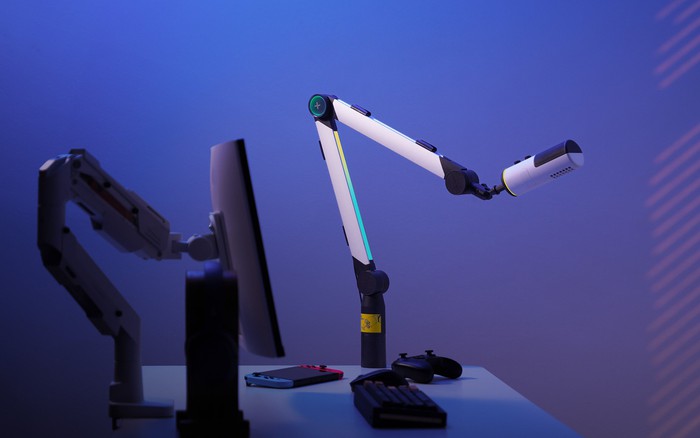 HyperWork MA03 là mẫu arm mic tích hợp đèn LED RGB và điều chỉnh âm thanh, phù hợp cho cả streamer và người dùng văn phòng.
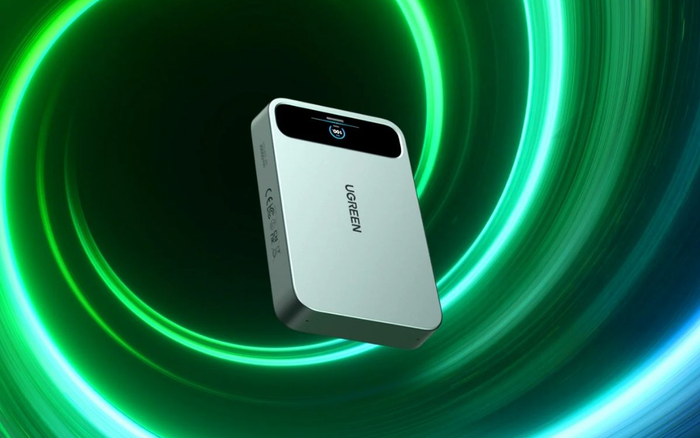 Ugreen vừa hé lộ phụ kiện 2 trong 1 cực lạ: sạc không dây kèm ghi âm bằng AI, tự tóm tắt nội dung và phiên dịch luôn.