Xiaomi ra mắt đồng hồ tích hợp AI, chạy Wear OS nhưng pin tới 18 ngày, giá 8,99 triệu
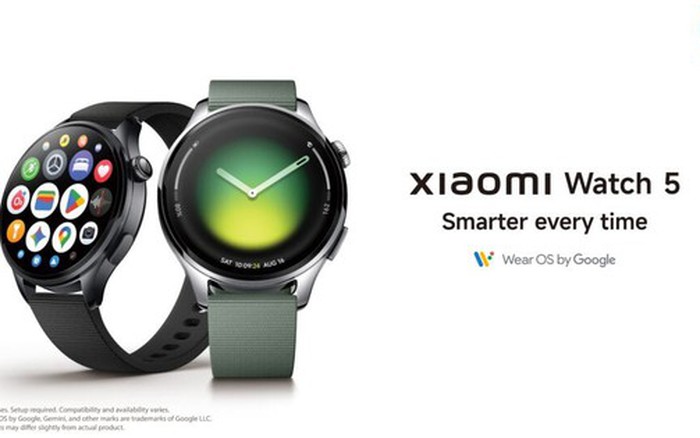 Xiaomi Watch 5 ra mắt tại Việt Nam với Wear OS 6, tích hợp Google Gemini, điều khiển bằng cử chỉ và thời lượng pin lên tới 18 ngày.
 Xiaomi Watch 5 ra mắt tại Việt Nam với Wear OS 6, tích hợp Google Gemini, điều khiển bằng cử chỉ và thời lượng pin lên tới 18 ngày.
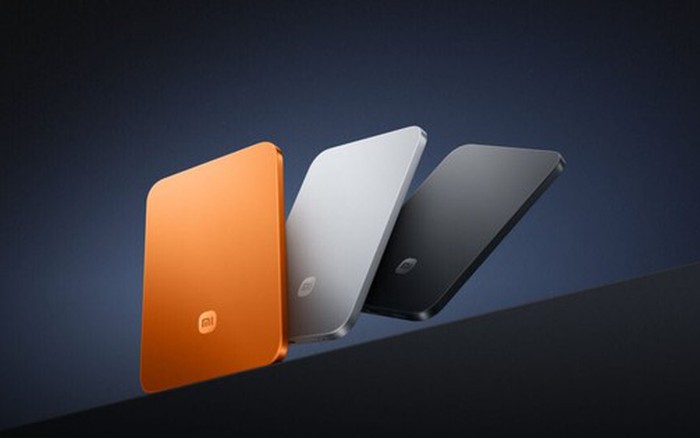 Xiaomi chính thức đưa UltraThin Magnetic Power Bank 5000 15W lên kệ tại Việt Nam với thiết kế chỉ 6mm, hỗ trợ sạc không dây 15W và sạc có dây 22,5W.
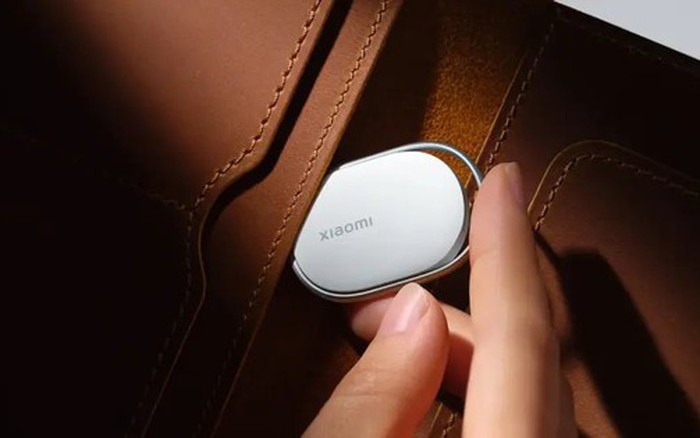 Xiaomi chính thức trình làng Xiaomi Tag tại thị trường Việt Nam với mức giá cực dễ tiếp cận, tương thích cả hệ sinh thái Apple và Android.
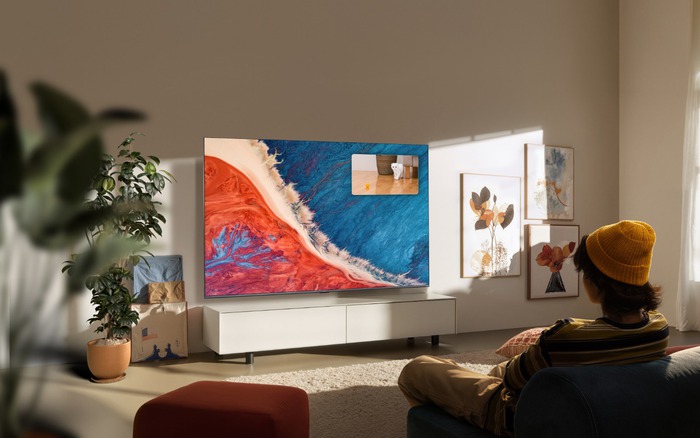 Hai dòng Xiaomi TV S Mini LED 2026 và Smart Display S Mini LED 2026 dùng công nghệ Mini LED, kích thước tối đa 98 inch, mở bán từ tháng 3/2026.
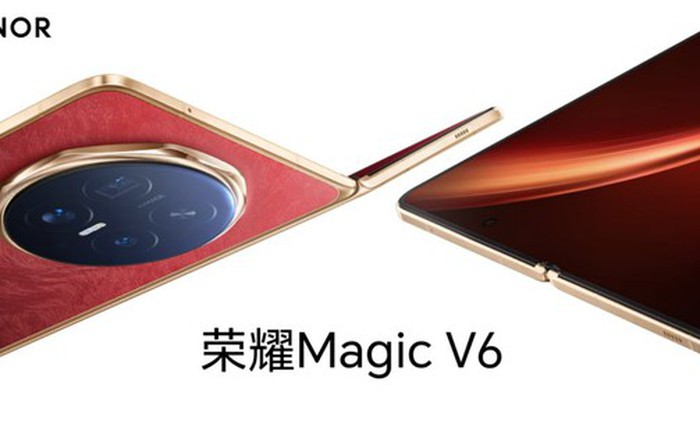 Trước thềm MWC 2026, Honor gây chú ý khi không nói về camera hay bản lề mà tập trung vào viên pin Silicon-Carbon Blade 6.600mAh trên Magic V6, hứa hẹn thay đổi cuộc chơi smartphone gập.
We may cringe at influencers and friends who let it all hang out, but research shows that keeping quiet might be worse
Do you recoil at oversharers on social media, or joke among your friends about “TMI”? I know I do. But while mocking public confession comes easy, it’s harder to appreciate the risks of normalising silence: withheld anxieties, unspoken family histories, and the little omissions that make workplaces and relationships brittle. The instinct to pour scorn on “attention seekers” may be masking a deeper public-health problem: chronic concealment.
For much of my career as an academic I made a living scolding people about privacy. I lectured on digital hygiene, warned audiences about the ways social media amplifies folly, and played the role of the wary scientist: don’t put your passwords in a document, don’t take quizzes that leak your intimate preferences, don’t broadcast things you can’t take back. I was a walking contradiction, though. Privately, I did online quizzes for fun. I kept a notepad of passwords on my desktop. I knew the rules and, like many of us, I broke them.
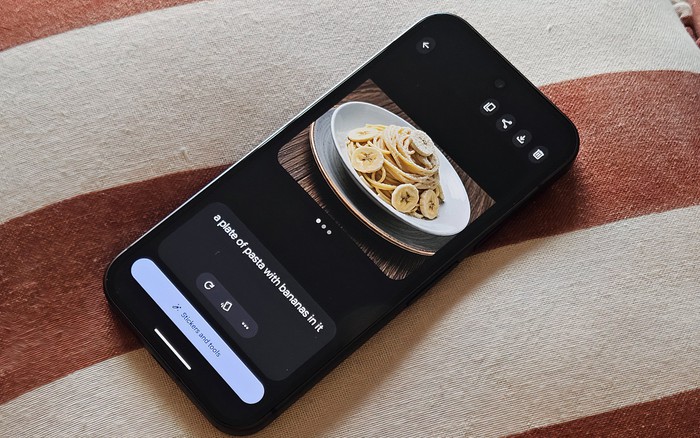 Luật Trí tuệ nhân tạo số 134/2025/QH15 do Quốc hội ban hành chính thức áp dụng từ hôm nay (1/3), yêu cầu minh bạch nội dung do AI tạo ra và siết các hành vi giả mạo, thao túng nhận thức.
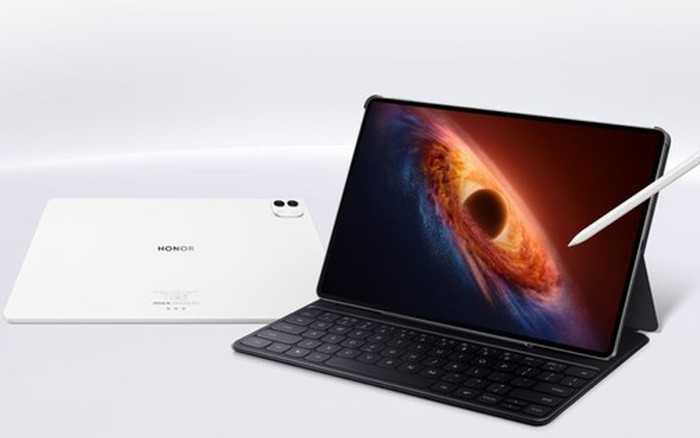 Honor MagicPad 4 gây chú ý trước thềm MWC 2026 với thiết kế siêu mỏng 4,8mm, màn hình OLED 165Hz, Snapdragon 8 Gen 5 và pin 10.100mAh.
 Lực lượng chức năng tỉnh Tuyên Quang vừa kịp thời ngăn chặn 5 học sinh lớp 8 ở xã Minh Tân bị người lạ trên mạng dụ rời địa phương đi làm thuê ở Bắc Ninh.