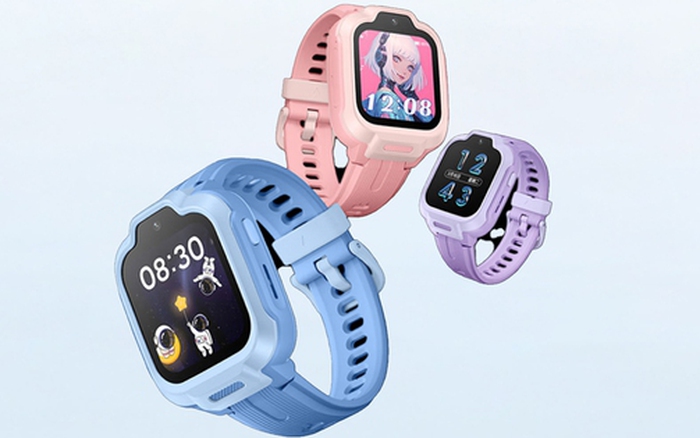
Giật mình trước sự sụt giảm của thị trường smartwatch toàn cầu: Trung Quốc ngược dòng, các ông lớn đang làm gì?

Theo báo cáo mới nhất, thị trường smartwatch toàn cầu đã chứng kiến sự sụt giảm nhẹ trong quý đầu năm 2025, chủ yếu do sự chững lại tại Ấn Độ và sự giảm sút của Apple. Tuy nhiên, Trung Quốc lại đang có xu hướng tăng trưởng mạnh mẽ nhờ vào dòng sản phẩm dành cho trẻ em.

Scientists Recreate Cosmic Ray Physics Using Cold Atom in New Laboratory Study

Scientists have successfully recreated Fermi acceleration in a lab using ultracold atoms and movable optical barriers, simulating how cosmic rays gain energy in space. Developed by teams from Birmingham and Chicago, the mini Fermi accelerator marks a major advance in particle physics, opening doors to high-energy astrophysics studies and innovations in quantum technology and atomtronics.

Scientists Say Dark Matter Could Turn Failed Stars Into ‘Dark Dwarfs’

Astronomers suggest that brown dwarfs—dim, failed stars—could transform into “dark dwarfs” by capturing dark matter in their cores. When dark matter particles annihilate, they release heat, potentially lighting up these stars. Physicist Jeremy Sakstein and researchers like Jillian Paulin and Rebecca Leane support this idea, which could help identify dark matter as heavy, self-annihilating particles. These objects may retain lithium-7, unlike typical brown dwarfs. Telescopes like NASA’s James Webb may already be capable of spotting such bodies near the Milky Way’s center, offering vital clues about the nature of dark matter.

New Gel-Based Robotic Skin Feels Touch, Heat, and Damage Like Human Flesh

Scientists have created a groundbreaking gelatin-based robotic skin capable of sensing touch, heat, and physical damage like cuts or burns. Developed by a team including Dr. Thomas George Thuruthel from University College London, the skin uses a single conductive layer embedded with electrodes to detect and classify stimuli. It was tested through pokes, burns, and slices, generating over a million data points processed by a machine-learning model. This low-cost, stretchable material simplifies traditional multi-sensor designs, offering a practical solution for enhancing prosthetic limbs and humanoid robots with lifelike sensitivity and responsiveness in real-world environments.