Chủ tịch Nvidia Jensen Huang gợi ý ngành học ‘hot’ cho sinh viên
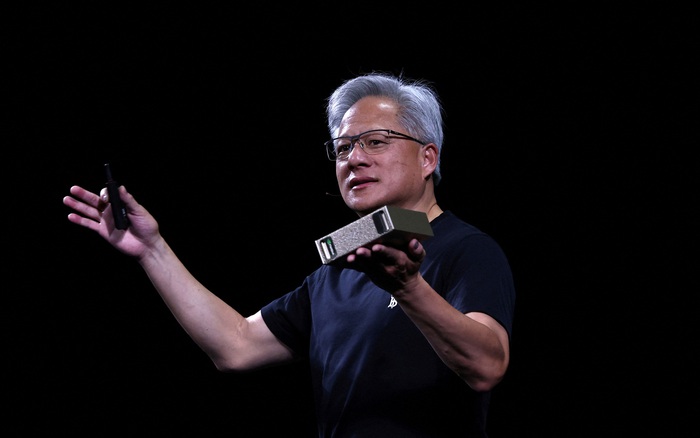 Chủ tịch Nvidia – công ty chip hiện có giá trị lớn nhất thế giới mới đây chia sẻ rằng nếu ông là một sinh viên 20 tuổi, ông sẽ chọn học Khoa học Vật lý.
 Chủ tịch Nvidia – công ty chip hiện có giá trị lớn nhất thế giới mới đây chia sẻ rằng nếu ông là một sinh viên 20 tuổi, ông sẽ chọn học Khoa học Vật lý.
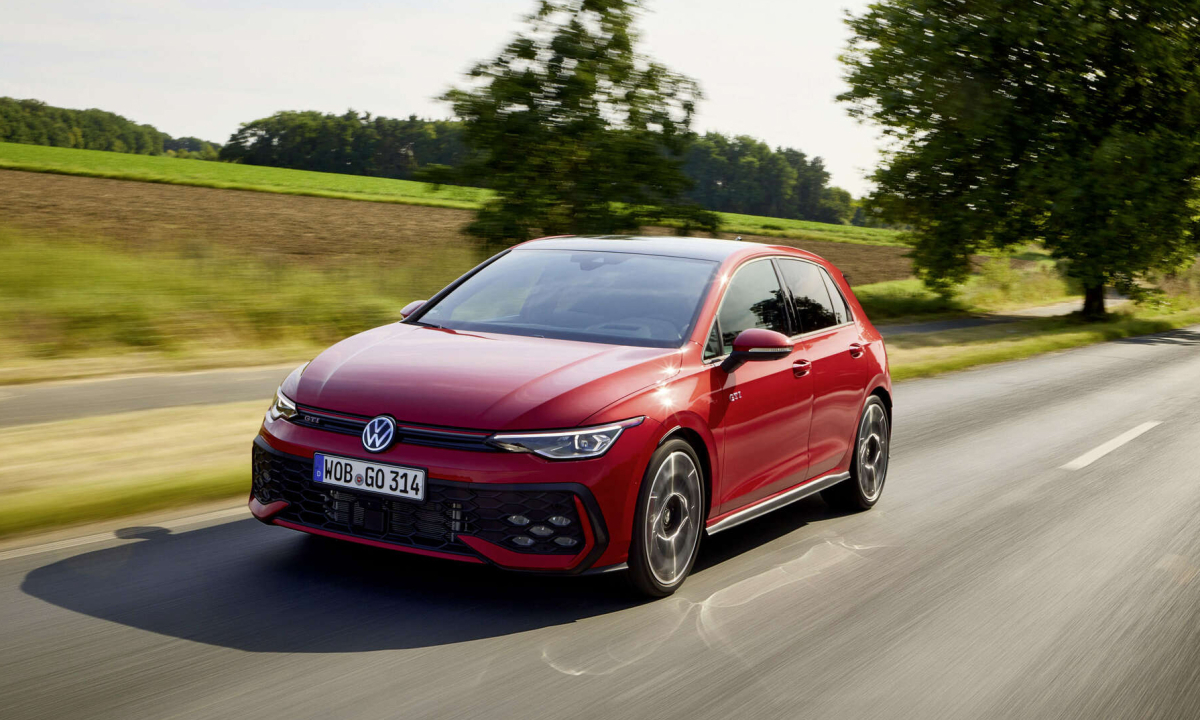 Mẫu xe 5 cửa Golf lắp động cơ 2 lít tăng áp với công suất cao nhất 315 mã lực, tăng tốc 0-100 km/h trong 4,8 giây.
 Mức doanh số 5.265 xe nửa đầu năm giúp Vios bỏ xa các đối thủ, trong khi đó Hyundai Accent và Honda City so kè ở hạng hai và ba.