thanhtoong0

thanhtoong0

Người mẹ 80 tuổi mỗi ngày gọi video cho con trai, nhắc con ăn uống đàng hoàng: Sự thật đằng sau khiến ai nghe cũng nghẹn lòng

Trong khi AI biến lời nói dối của gia đình thành nỗi an ủi cho người mẹ già, nhiều người lại lo ngại rằng, có thể nó chỉ làm trì hoãn nỗi đau không thể tránh khỏi và hơn thế nữa còn đặt ra những câu hỏi sâu sắc về ranh giới đạo đức của công nghệ hiện tại.

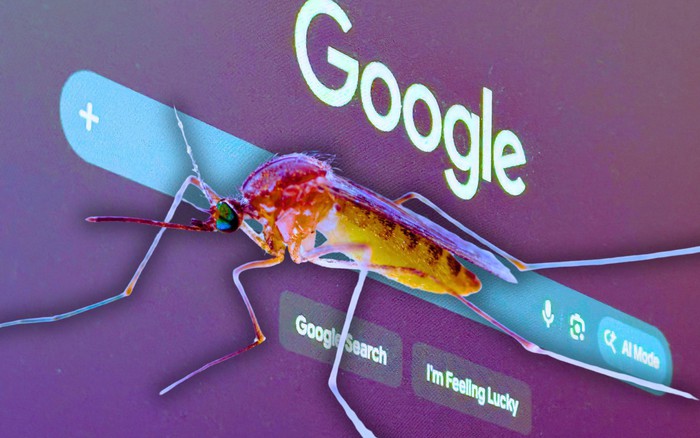
Google Chrome Gets AI Mode Update With Side-by-Side Browsing, Contextual Search Tools

Google announced upgrades to AI Mode in Google Chrome on Thursday. As per the Mountain View-based tech giant, the new features are aimed at making search more fluid and context-aware. Google is integrating search and browsing more closely. This allows users to interact with web pages and AI-generated responses side-by-side. With the latest changes, AI Mode will be abl...

The Dog’s Gaze by Thomas Laqueur review – the art of the canine, from Velázquez to Picasso

A clever and beautiful survey of dogs in painting, with a brilliant interpretation of their role at its heart

Thirty-five thousand years ago, in the Ardèche region of France, Paleolithic artists drew a spectacular bestiary on the walls of the Chauvet cave. Their focus was apex predators, so there were lots of lions, as well as mammoths and woolly rhinoceroses. Dogs were nowhere to be seen, and yet in the soft sediment on the limestone floor of the cave, there are traces of canid pawprints next to human footprints. Two fellow creatures, most likely a boy and a dog, stood together, about 10,000 years after the art was made, looking up at the walls in wonder. Here was a moment of shared contemplation, followed perhaps by a glance to see the other’s reaction.

In this luminous book, the American cultural historian Thomas Laqueur explores what he calls “the dog’s gaze”. The dog was the first animal to live companionably with humans, and Laqueur argues that this marks the boundary between nature and culture. It is this threshold status that has, in turn, qualified the dog to play a rich, symbolic part in western art. Just having dogs in a picture – snuffling for picnic crumbs in Seurat’s La Grande Jatte or trooping home in Bruegel the Elder’s Hunters in the Snow – becomes a way for an artist to pack an image with extra resonance and second-order meaning.

Continue reading...