Scientists have created a groundbreaking gelatin-based robotic skin capable of sensing touch, heat, and physical damage like cuts or burns. Developed by a team including Dr. Thomas George Thuruthel from University College London, the skin uses a single conductive layer embedded with electrodes to detect and classify stimuli. It was tested through pokes, burns, and slices, generating over a million data points processed by a machine-learning model. This low-cost, stretchable material simplifies traditional multi-sensor designs, offering a practical solution for enhancing prosthetic limbs and humanoid robots with lifelike sensitivity and responsiveness in real-world environments.
 BYD ra mắt tính năng đỗ xe tự động L4, cam kết chịu trách nhiệm về thiệt hại liên quan đến công nghệ này.

 Con nai vọt ra từ lề đường đối diện, cắt mặt một ôtô và lao về phía chiếc Harley-Davidson trên đường cao tốc ở Wyoming.
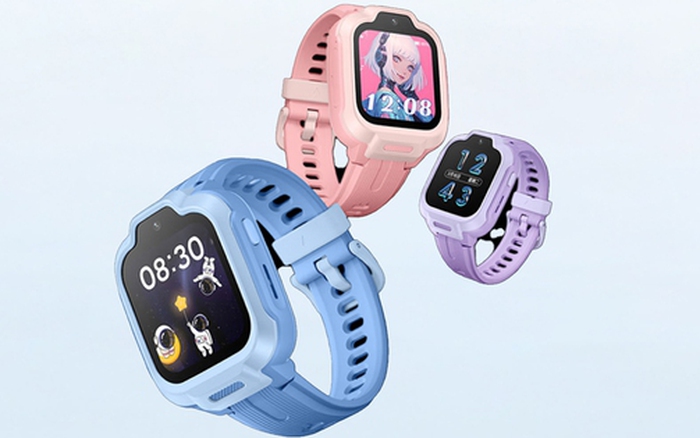 Theo báo cáo mới nhất, thị trường smartwatch toàn cầu đã chứng kiến sự sụt giảm nhẹ trong quý đầu năm 2025, chủ yếu do sự chững lại tại Ấn Độ và sự giảm sút của Apple. Tuy nhiên, Trung Quốc lại đang có xu hướng tăng trưởng mạnh mẽ nhờ vào dòng sản phẩm dành cho trẻ em.
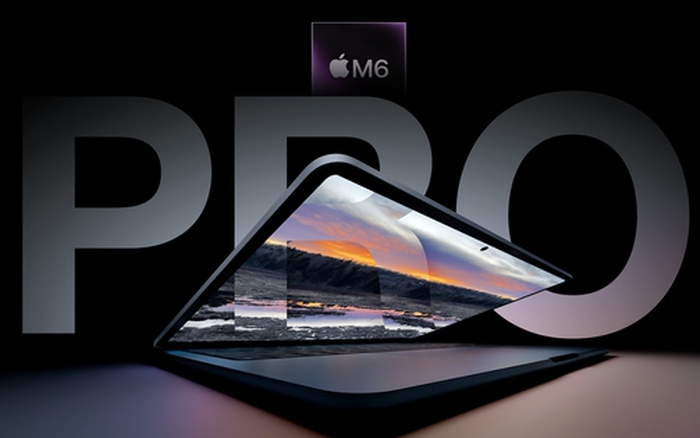 Apple dự kiến trì hoãn ra mắt dòng MacBook Pro với chip M5 đến năm 2026, gây bất ngờ cho giới công nghệ vốn đang mong chờ bản nâng cấp này.