NVIDIA: Chi phí vận hành AI đã vượt xa lương nhân viên
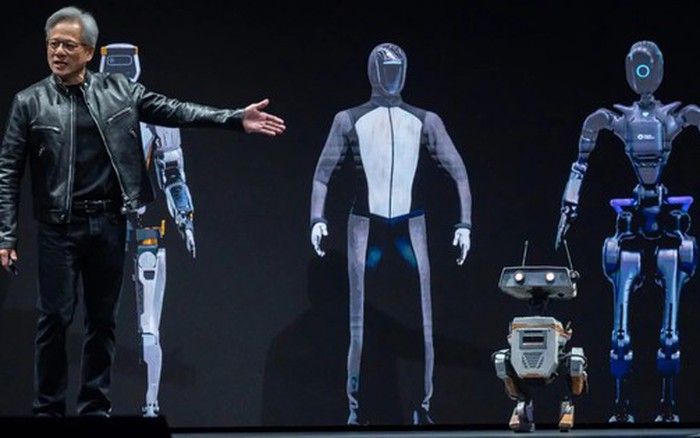 Các công ty lớn đang đầu tư hàng nghìn tỷ USD để xây dựng và nâng cấp nhà máy AI, khiến chi phí công nghệ tăng mạnh.
 Các công ty lớn đang đầu tư hàng nghìn tỷ USD để xây dựng và nâng cấp nhà máy AI, khiến chi phí công nghệ tăng mạnh.
 Xiaoxin Pro 27 Core Edition có màn hình QHD 27 inch tần số quét 120Hz, tích hợp webcam độ phân giải cao và loa Harman 2.0 tinh chỉnh Dolby.
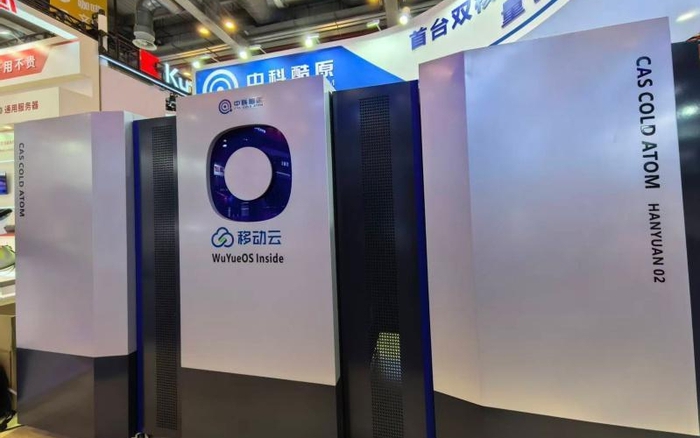 Không những thế, tổng công suất tiêu thụ điện của hệ thống máy tính lượng tử dual-core này chỉ khoảng 7kw, thấp hơn đáng kể so với nhiều hệ thống máy tính lượng tử hiện nay.
 Giá DRAM tăng khiến chi phí linh kiện smartphone giá rẻ đội lên, các hãng chip di động lớn phải giảm sản lượng để tránh tồn kho.
 Phiên bản mới mang phong cách điện ảnh với lồng tiếng đầy đủ, nhạc giao hưởng và chế độ đấu trực tuyến 4 đối 4 hoàn toàn mới, ra mắt ngày 25 tháng 6 năm 2026.
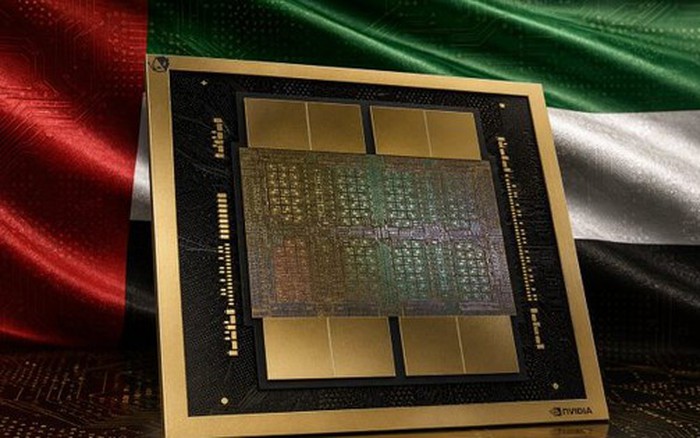 Khoản đầu tư khoảng 36.7 triệu tỷ đồng từ UAE vào Mỹ sẽ tạo ra hàng nghìn việc làm và thúc đẩy hợp tác công nghệ AI giữa hai nước.
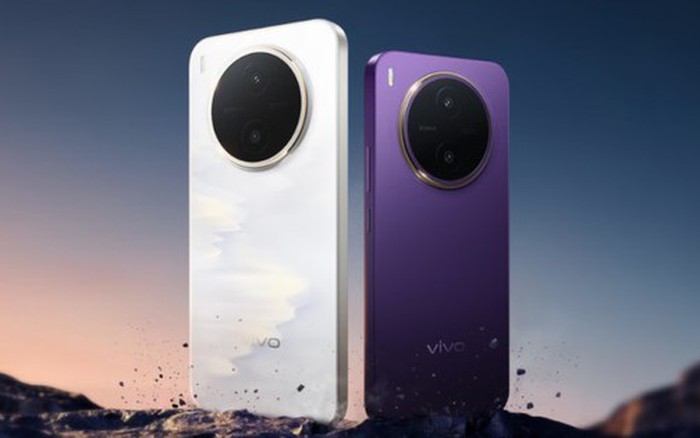 Nhu cầu sử dụng AI, chơi game và quay video chất lượng cao khiến các hãng phải tăng dung lượng pin lên mức chưa từng có.
 Thay vì đợi đến khi cơn đau tim bất ngờ ập đến, họ nạp toàn bộ dữ liệu gene, các chỉ số máu và thói quen sinh hoạt vào một mô hình ảo. Mục tiêu là để nhìn thấy trước mười năm nữa cơ thể mình sẽ gặp sự cố ở đâu.
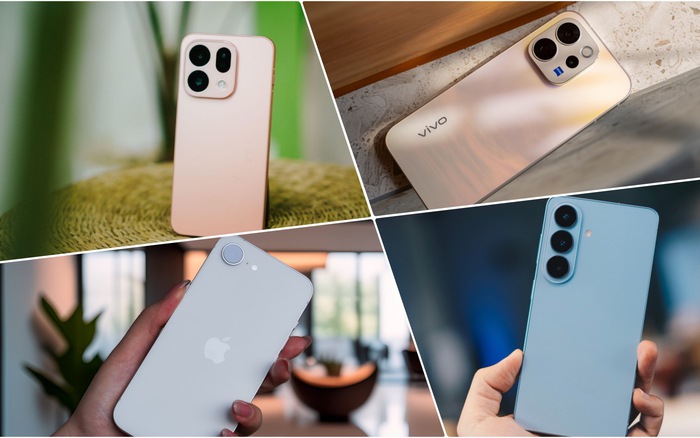 Điện thoại giờ không còn chỉ là thiết bị công nghệ, mà đã trở thành một phần của phong cách sống. Vậy thì đâu mới là chiếc smartphone “chân ái” dành cho hội chị em năm 2026?