OPPO ra mắt bộ ống kính Hasselblad và tay cầm “MagSafe” cho Find X9
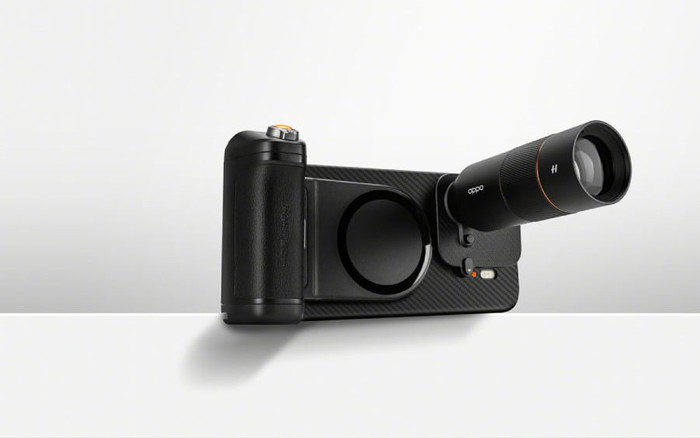 OPPO vừa công bố bộ Hasselblad Professional Imaging Kit dành cho Find X9 Pro, gồm ống kính teleconverter, tay cầm từ tính có nút chụp, ốp bảo vệ từ tính và dây đeo vai.
 OPPO vừa công bố bộ Hasselblad Professional Imaging Kit dành cho Find X9 Pro, gồm ống kính teleconverter, tay cầm từ tính có nút chụp, ốp bảo vệ từ tính và dây đeo vai.
 TPO - Đến năm 2035, Việt Nam sẽ đào tạo hơn 100.000 nhân lực cho ngành đường sắt, trong đó hàng chục nghìn kỹ sư, chuyên gia sẽ phục vụ các tuyến tốc độ cao và đường sắt đô thị - bước đi chiến lược để tiến vào thời kỳ tự chủ công nghệ.
 Tưởng bị con đẻ bỏ rơi, cụ bà 90 tuổi di chúc cho “con đỡ đầu” thừa kế toàn bộ tài sản; kẻ lừa đảo này rải tro cốt của bà lên núi hoang thay vì tổ chức tang lễ.
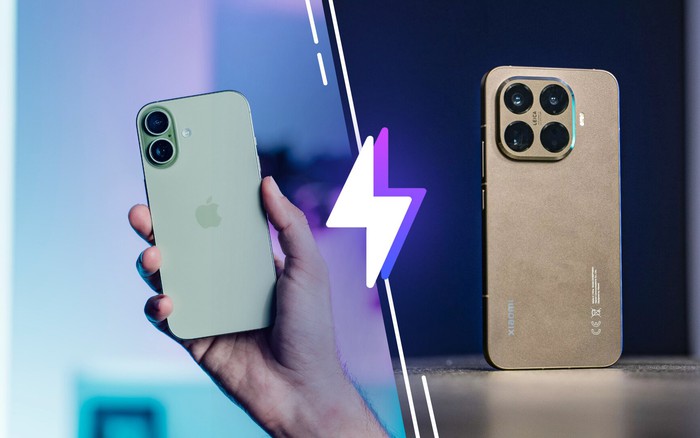 Thẳng thắn mà nói: nếu bạn vẫn gắn chặt với hệ Apple (Mac/iPad/Watch), iPhone 17 là lựa chọn logic. Nhưng nếu tiêu chí số 1 là “giá/giá trị phần cứng + camera tele thật + sạc nhanh”, hệ sinh thái không còn là rào cản đủ lớn để “bẻ lái” khỏi Xiaomi 15T series.
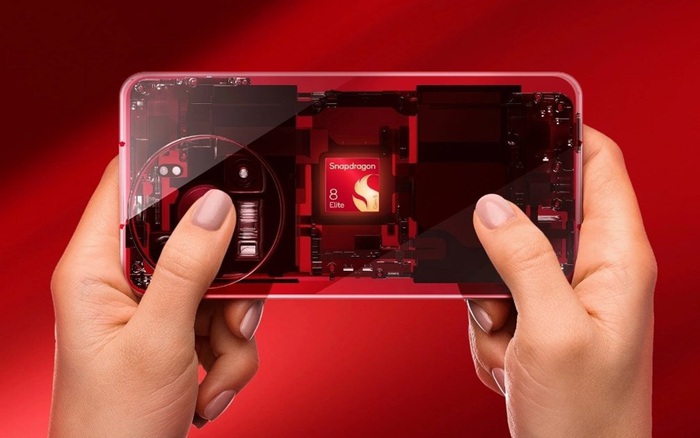 Giá chipset Snapdragon 8 Elite mới của Qualcomm đã liên tục tăng nhiều năm nay, nhưng Gen 5 đánh dấu bước nhảy lớn nhất từ trước đến nay của hãng thiết kế chip này.
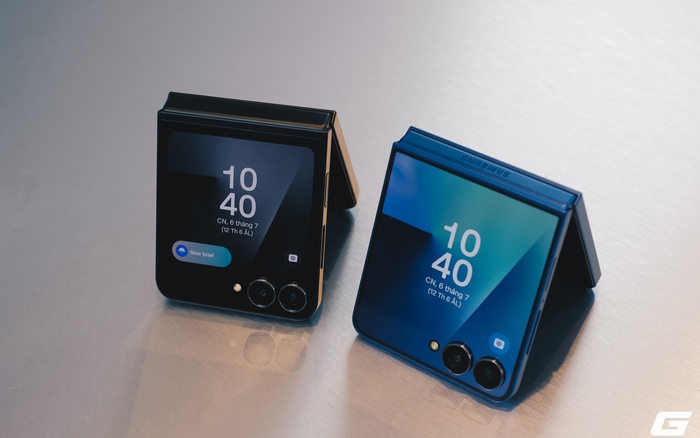 Giống như cách smartphone màn hình lớn từng định hình lại thói quen sử dụng điện thoại của hàng triệu người, smartphone gập đang đứng trước thời điểm bùng nổ tương tự. Và Galaxy Z Flip7 FE chính là “tấm vé” dễ tiếp cận nhất để người dùng Việt Nam bước vào kỷ nguyên đó.